Industries
Capital for businesses that get paid last.
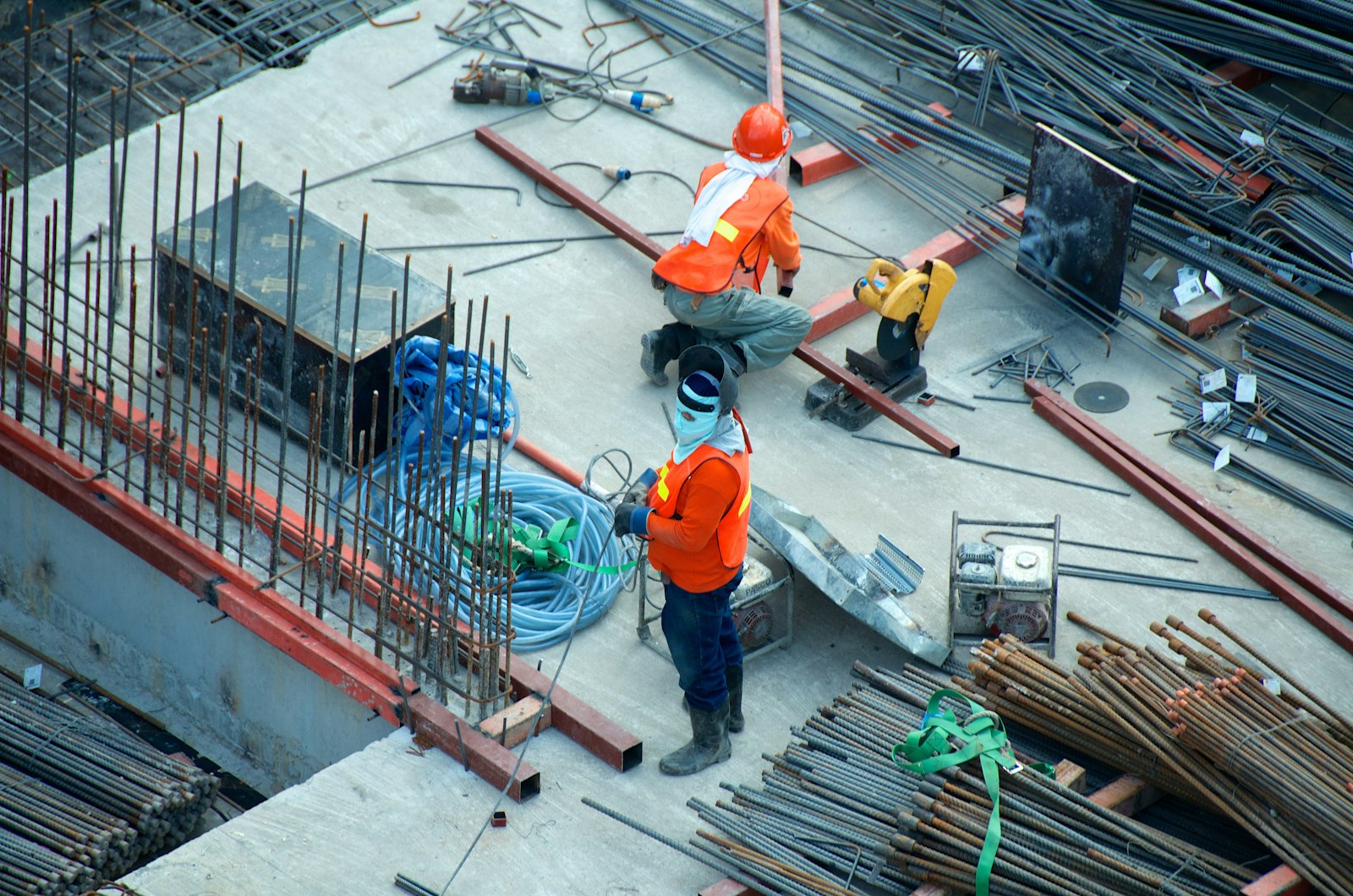
Contractors front payroll, materials, and equipment for months before the draw clears. The right financing respects that math instead of fighting it.
What we fund
| Need | Structure we usually use | Why |
|---|---|---|
| Excavators, skid steers, cranes | Equipment financing, 4–7 yr | Heavy iron holds auction value; rates stay sharp |
| Job-start capital (payroll + materials) | Term loan | Sized against the contract, funded before mobilization |
| Shop or yard purchase | SBA 504 | Fixed rates up to 25 years on owner-occupied property |
| Acquiring a competitor's book | SBA 7(a) | Goodwill-heavy deals need the federal guarantee |
| Equipment you own, cash you need | Sale-leaseback | Unlocks equity in paid-off iron in about two weeks |
Underwriting quirks in construction
Lenders read contractor statements differently: lumpy deposits are expected, but they want to see draws mapped to jobs. A one-page schedule of current contracts (job, value, % complete, expected draw dates) does more for a construction file than any credit score improvement. Your advisor will build it with you; it takes twenty minutes.
Seasonality is fine. Say it out loud.
A Minnesota concrete company that shows 70% of revenue from May to October is a normal file with an explanation and a problem file without one. One sentence in the application prevents a week of underwriter questions.
Bonding and debt
If you carry surety bonds, structure matters: some facilities sit better with your bonding agent than others. Tell your advisor your bonding capacity early and we'll keep the debt where it doesn't pinch your program.